


Fall River Rhapsody
Today — February 29, 2024 — marks one of the more unusual events of the Gregorian Calendar that is used predominantly in our culture as well as a good portion of the rest of the world. It is the extra day in February which normally has only 28 days and occurs only once every four years during what is known as “Leap Year”. This year will feature 366 days rather than the usual 365. Why?
A leap year (also known as an intercalary year or bissextile year) is a calendar year that contains an additional day compared to a common year. The 366th day is added to our calendar to keep the calendar year synchronized with the astronomical or seasonal year. Of course an astronomical year is the time our planet takes to orbit the sun and a day is the time it takes to rotate on its axis.
It takes about 365.25 days for Earth to orbit the sun so we round the days in a calendar year to 365. To make up for that missing partial day, we add one day to the calendar every four years, a “Leap Year”. If this were not done, our calendar would become confusing over long -term use. After a hundred years or so, traditional winter holidays such as Christmas would be occurring during warm or summer months.
Of course calendar events like this are irrelevant to most of the planet’s creatures. As far as we know, our species is the planet’s only one that engages in the recording and observation of time’s passage.
This is not to say that other creatures of this planet have no way of marking time — it’s just not as sophisticated as some of our methods. For instance, we can see many of the birds of our region answering one of nature’s most primal callings — procreation.
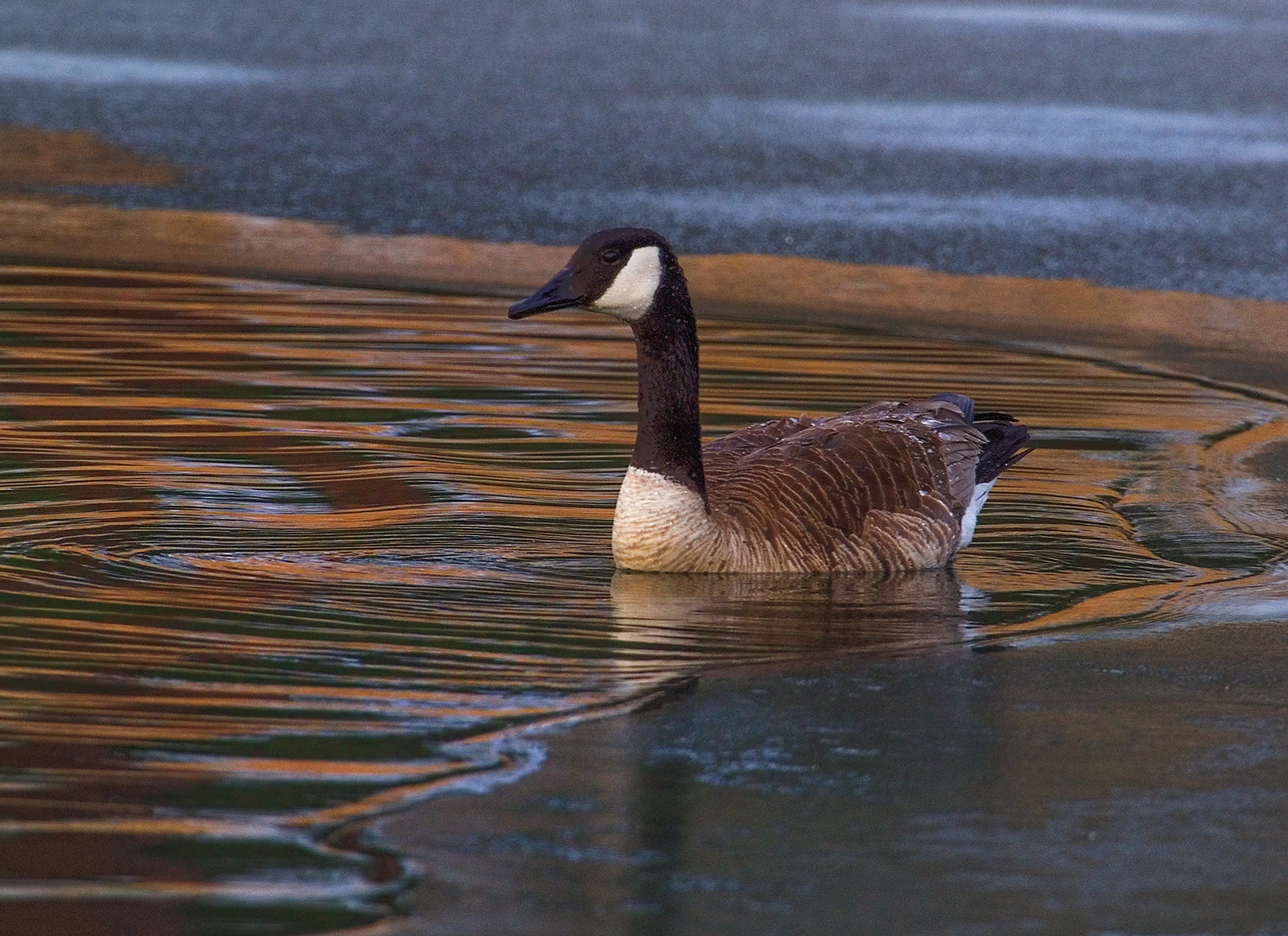
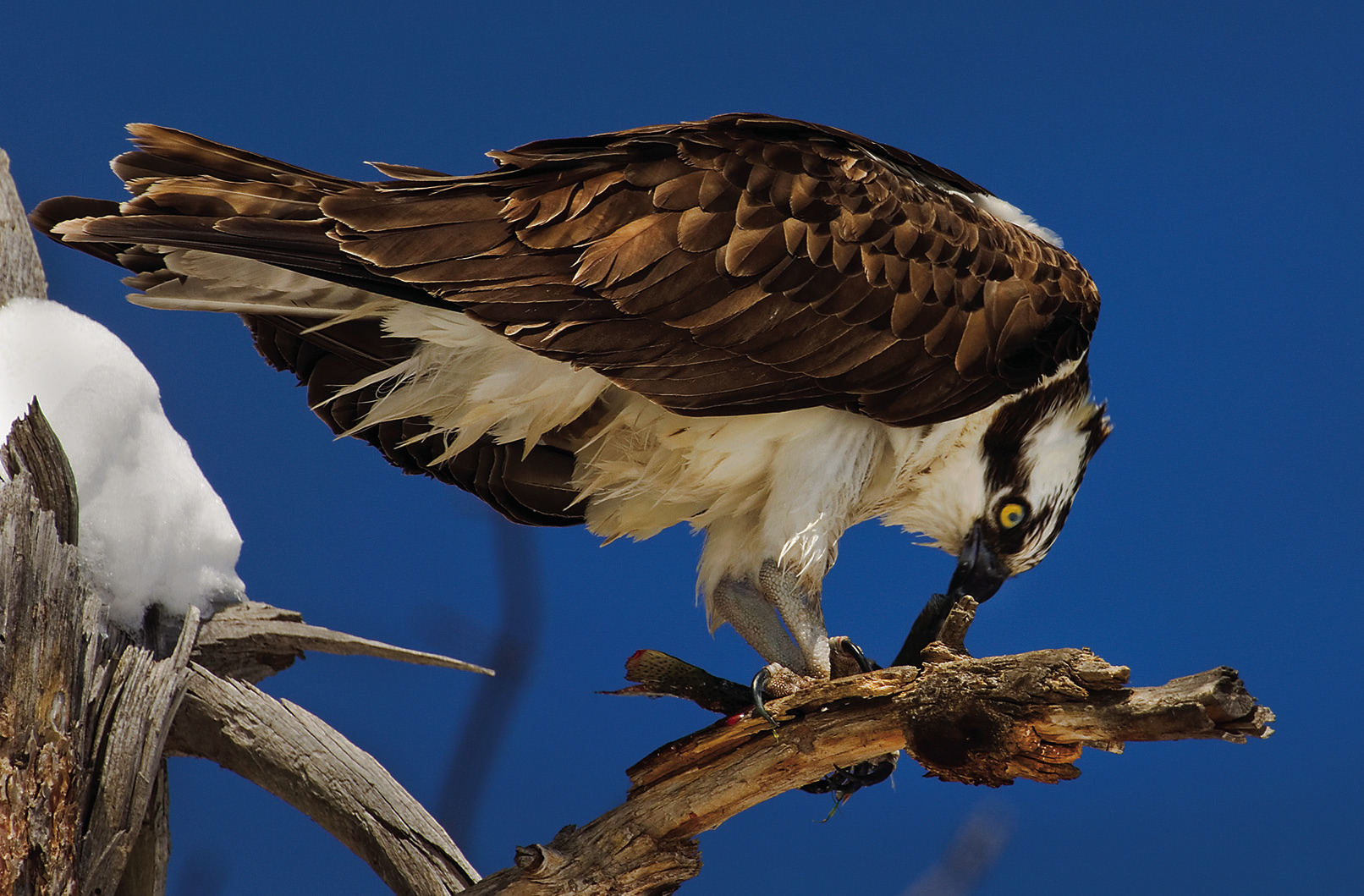
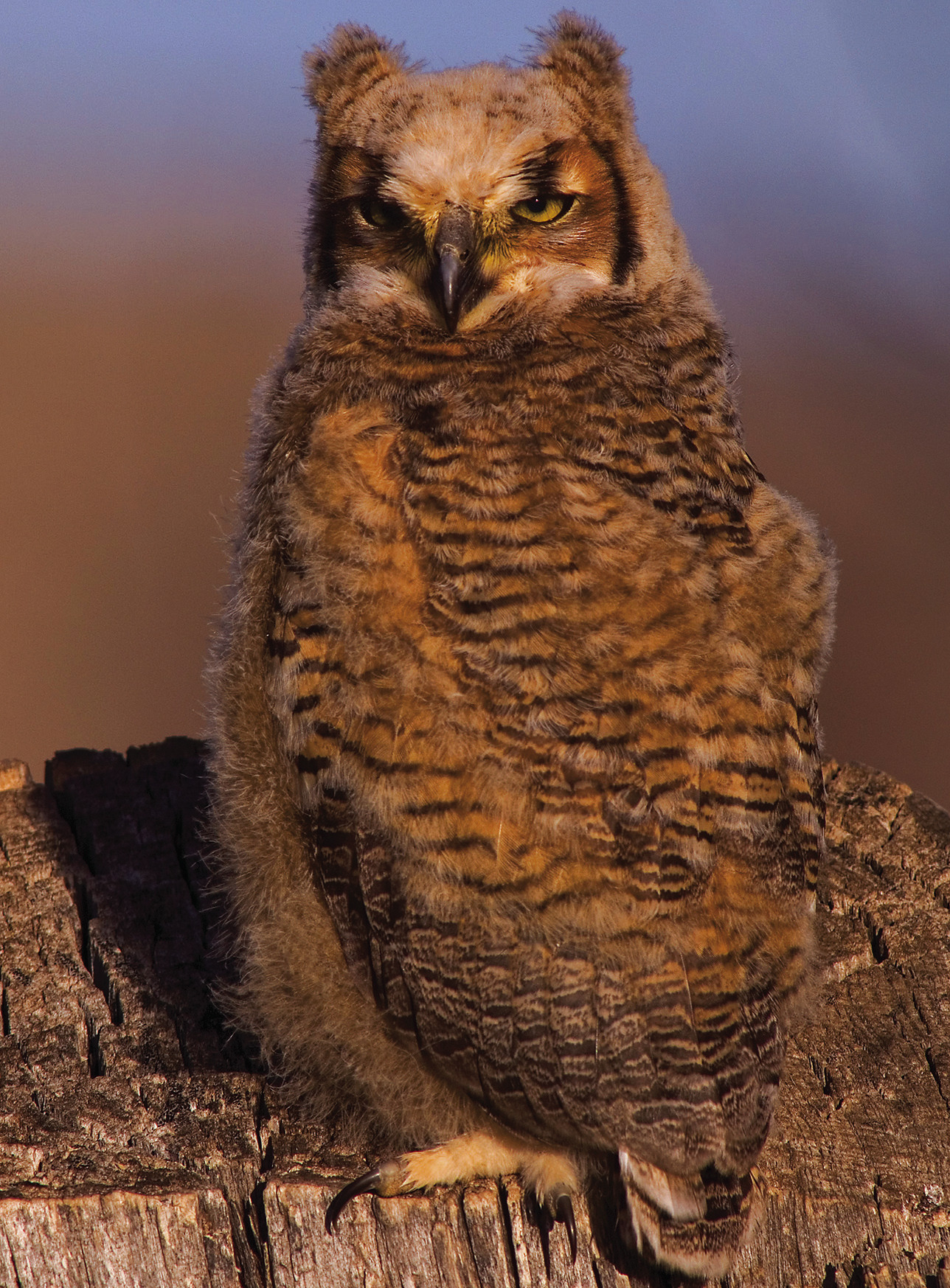
A signal has come from deep within their tiny brains and bids them. Call to and gather mates like the turkey. Gather materials and build nests in trees like the osprey and great blue heron. Or build those nests along lake and river banks like ducks and Canada geese.
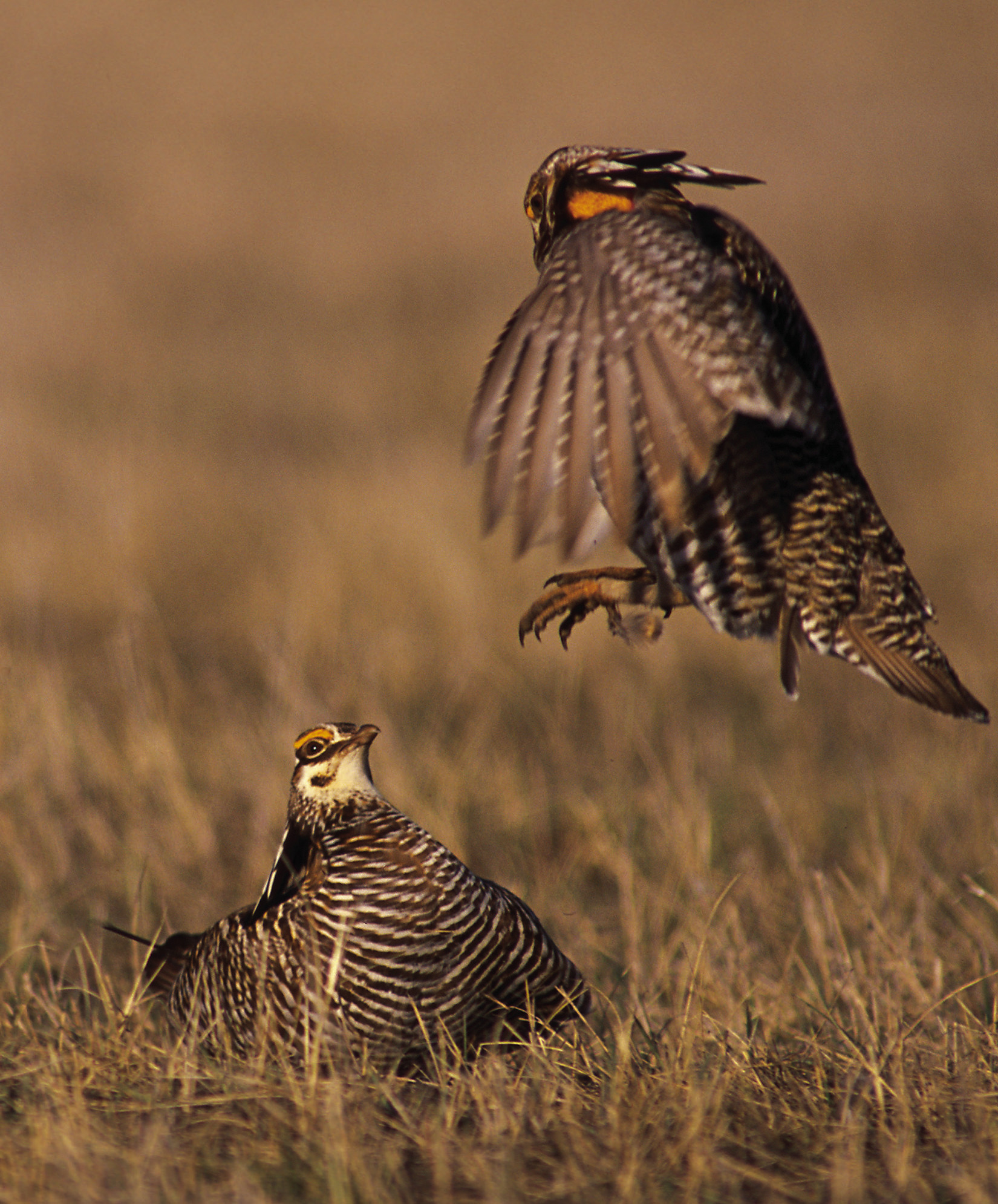
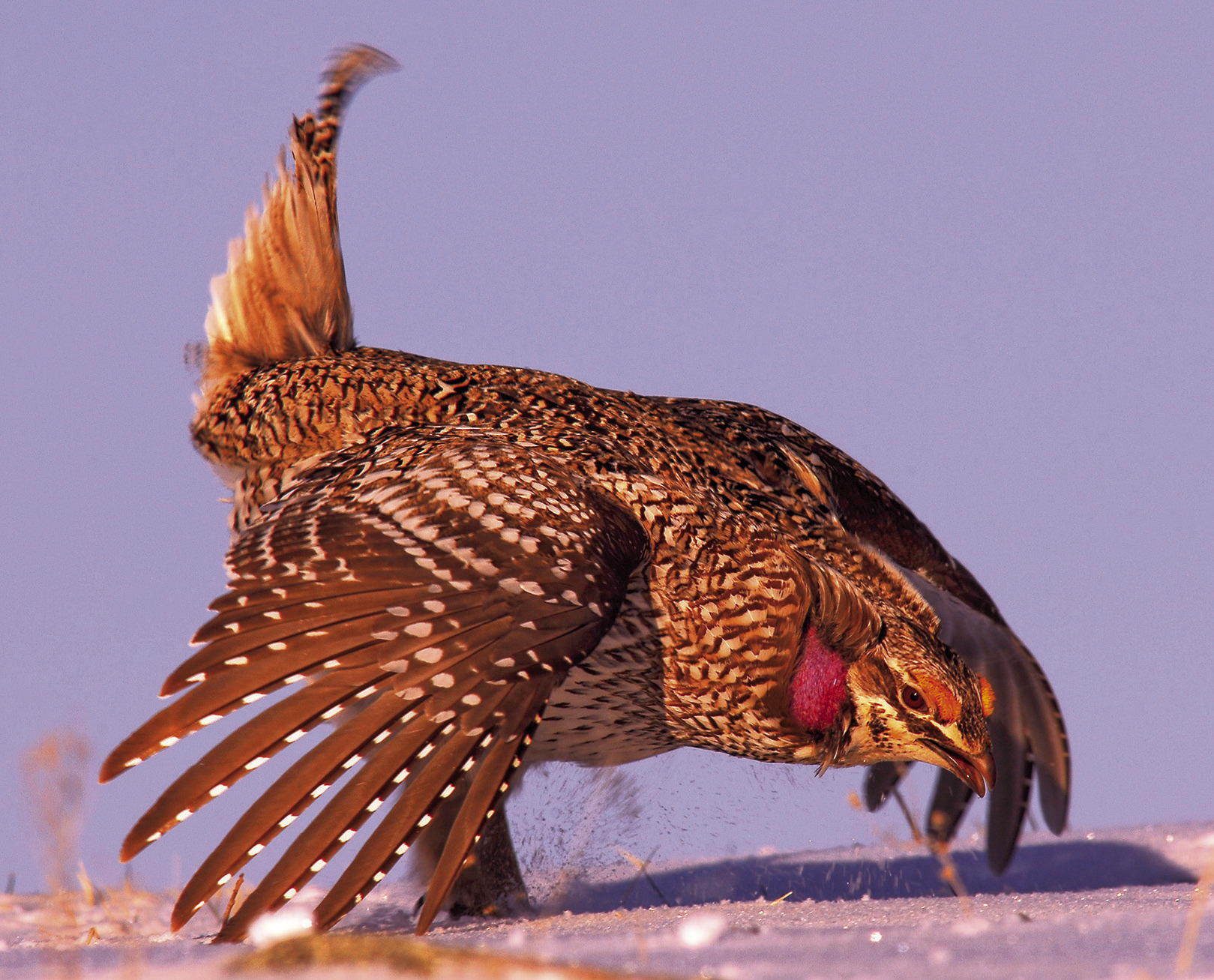
Finally, have the males dance “for the ladies” on leks and booming grounds like the sharptail grouse and prairie chickens. The message here is quite simple — “Pick me, Pick me”.