

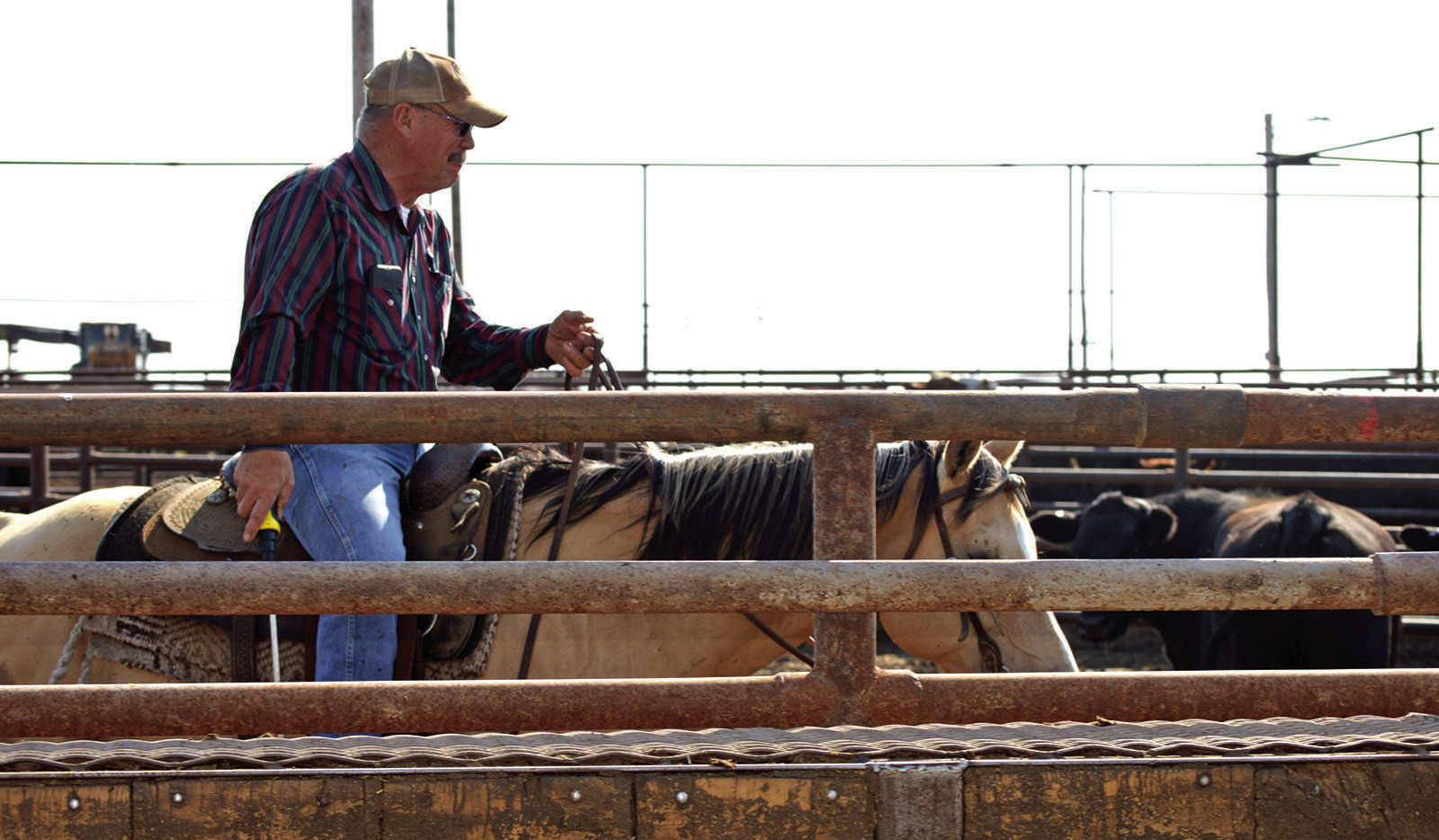
ORAL – Just south of Maverick Junction and east of Highway 18/385 and Angostura Reservoir lies the largest feed yard in South Dakota, the Fall River Feedyard. Since its establishment in 1969 and the start of operations in 1970, this feed yard has seen millions of cattle pass through its gates. Focused initially on feeding calves and yearlings, the feed yard now houses a few thousand yearlings each year but moves around 60,000 head annually. The Fall River Feedyard can house 25,000 head of cattle at full capacity.
The operational cycle of an animal at Fall River Feedyard spans about 100120 days as they are fed and prepared for slaughter. The influx of cattle is constant, ranging from 500 to 4,000 weekly and primarily sourced from Montana, South Dakota, North Dakota, and Northern Nebraska. This relentless schedule demands sevenday operations, 365 days a year, supported by 35 full-time and seasonal employees. The fall season marks the peak period for cattle in the yard, with Christmas day historically recording the highest number of cattle due to holiday season demand.
“We have an awesome team. Our employees make the world go round. We couldn’t do it without them,” emphasized Bart Krautschun, the General Manager. Despite recent personnel changes, including the retirement of several long-serving members and the hiring of new staff, the feedlot has continued to thrive and innovate.
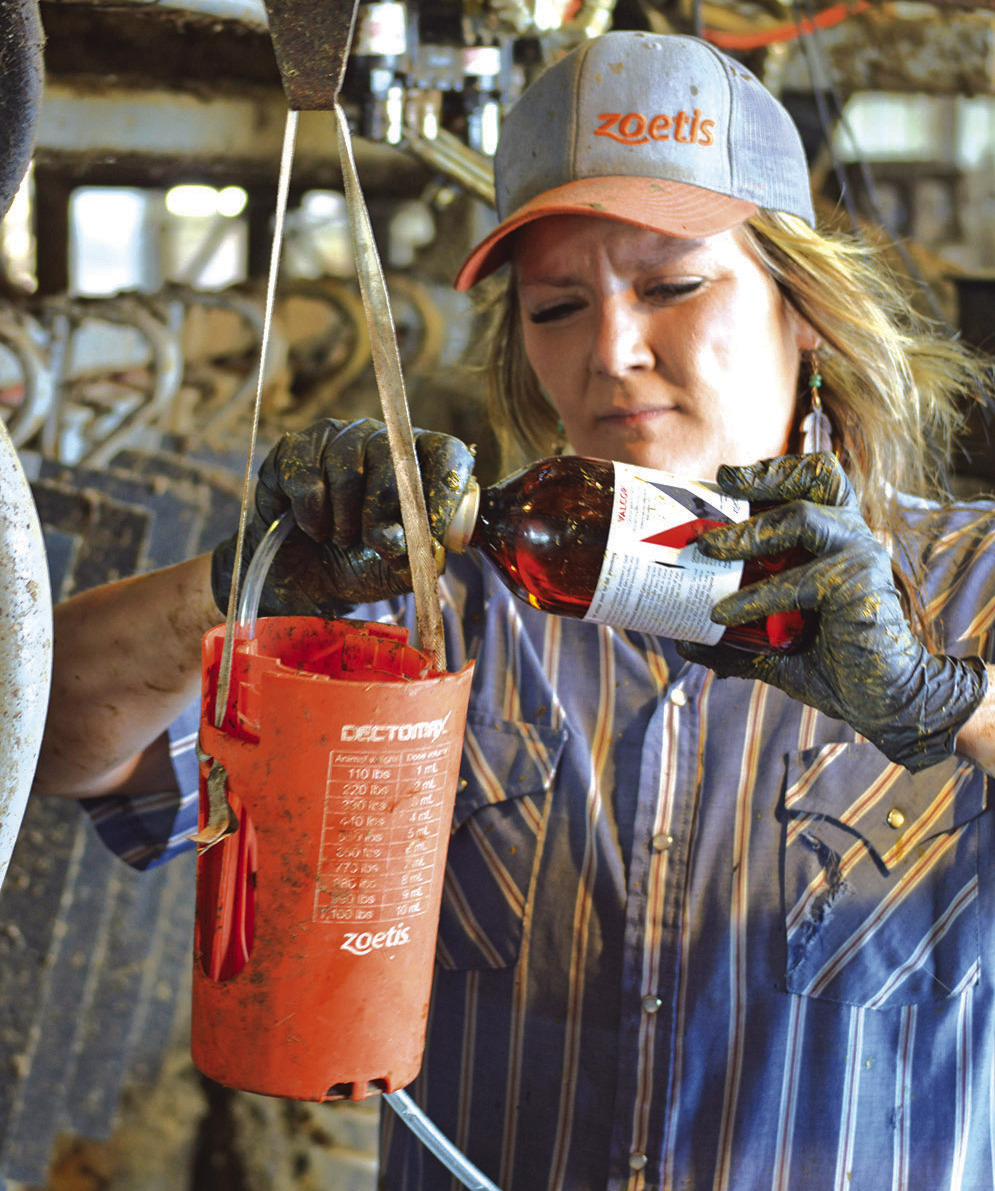
Over the past five years, Fall River Feedyard has implemented significant changes to enhance efficiency and animal management. One notable improvement is the reduction in cows calving at the feedlot, achieved through proactive measures like ultrasound screenings by Megan Harkless. Cows that are six months pregnant or further are sent back to the seller, ensuring better management of resources.
T e c h n o l o g i c a l advancements have also played a crucial role in the feed yard’s modernization. A collaboration with Micro Beef Technologies has revolutionized the tracking of incoming cattle. Previously, the manual recording of back tag codes was time-consuming and more susceptible to errors. Now, with a custom software program from Micro Beef Technologies, workers can scan back tags, and the codes are automatically uploaded to digital files, significantly improving efficiency and accuracy.
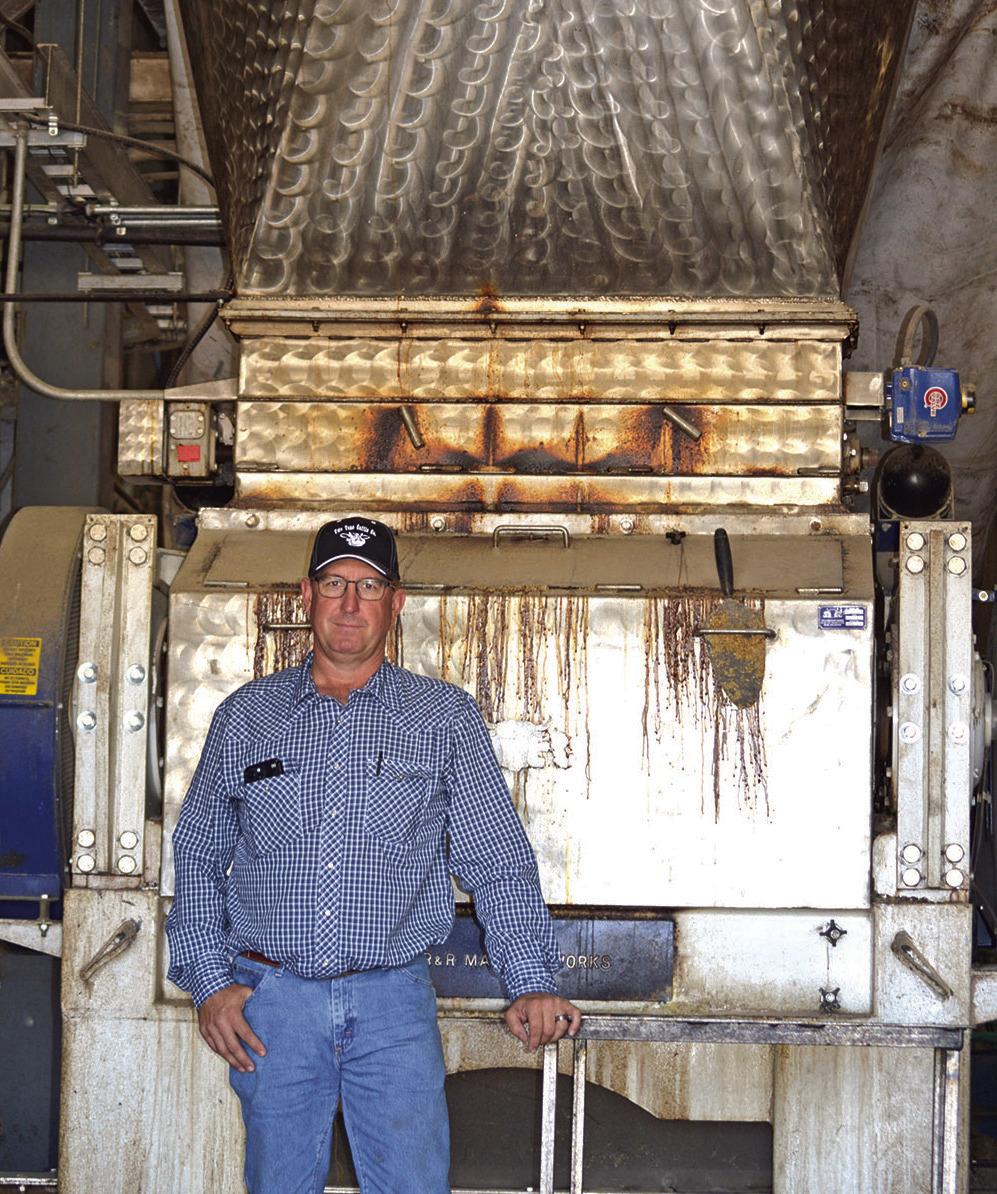
The feed yard has also upgraded its equipment, replacing four worn-out machines with a new steam flaker for the feed mill. This new machinery can complete what previously took 12-14 hours in eight hours and reduces propane usage by 30%.
Construction updates have further enhanced the facility, with 150,000 feet of new cable and five semi-loads of pipe reinforcing the yard. Moreover, the Fall River Feedyard has added shade structures for the cows.
As General Manager Krautschun aptly put it, “What we do hasn’t changed, but how we do it has.” The Fall River Feedyard remains a cornerstone of South Dakota’s agricultural landscape, continually evolving to meet the demands of modern cattle farming while maintaining its commitment to efficiency, sustainability, and animal welfare.