
Without grants, upgrades could mean increase in fees of up to $90/month
HOT SPRINGS – The long overdue need to address that smell of raw sewage, that is often noticeable near the entrance into Hot Springs along Hwy 18/385, will be the topic of a public meeting next Thursday, Nov. 13 at the Mueller Center, beginning at 7 p.m.
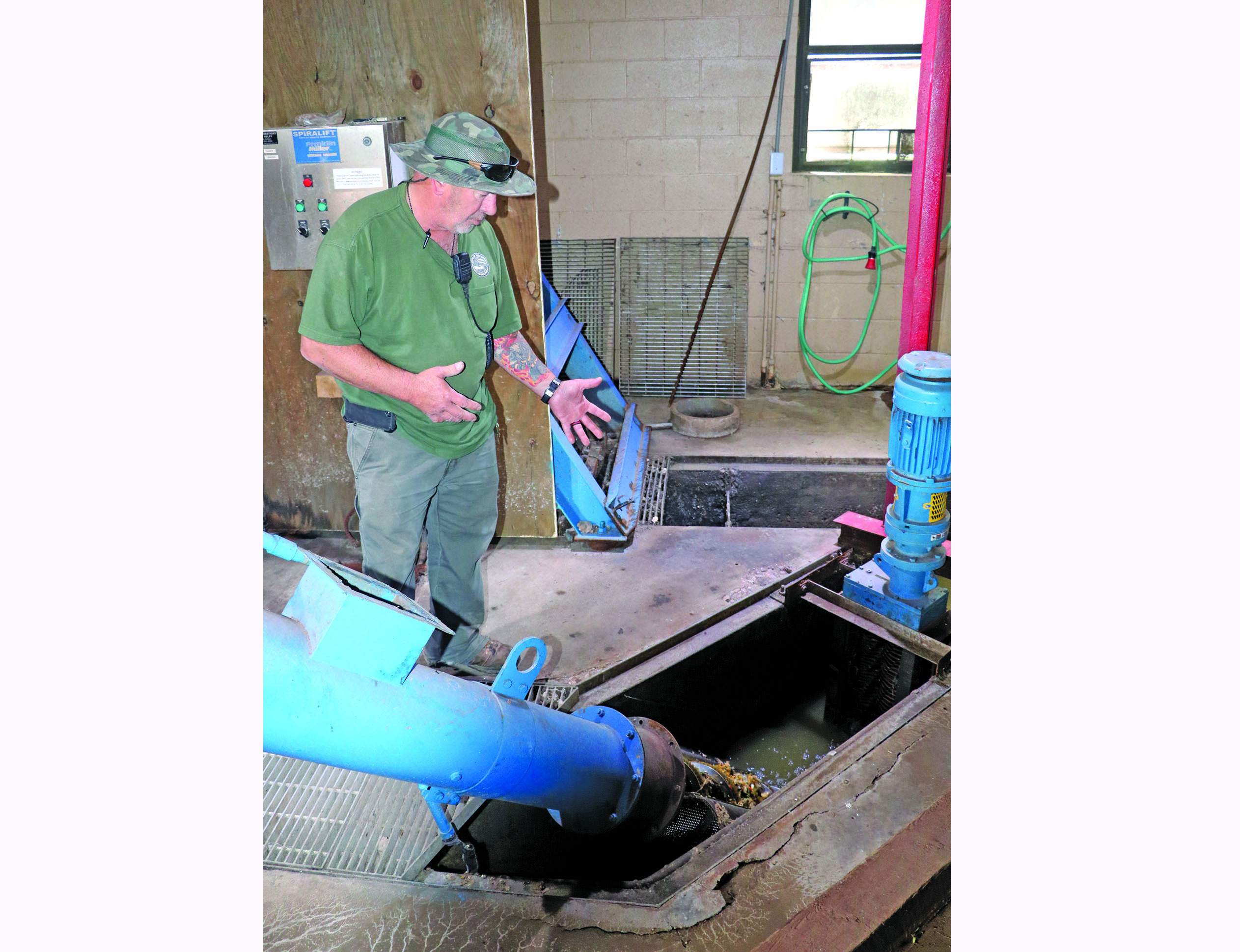
That odor which residents connect to the City of Hot Springs’ Wastewater Treatment Facility is a byproduct of the need for several millions of dollars in upgrades to the plant, which was built in 1984 but still uses equipment dating back to the 1940s.
Overall, the plant considered 15 to 20 years past its useful life. In addition to the smell, the problems at the plant are also hard on equipment and create health concerns for employees, according to Mayor Bob Nelson who has been talking about the concerns at the plant for the past couple of months. It was also pointed out by Councilman Bill Lukens at the Sept. 15 council meeting, that the City of Hot Springs has “spent about $2.3 million in band-aids” to address the issue since 2014 and that the council can no longer keep putting off a complete overhaul of the facility. “It won’t get any better. This is not optional. This is an absolute necessity,” Lukens said.
Next week’s public meeting is being considered an opportunity for the public to learn about the situation at the facility and also to learn what will be needed to address those issues, most likely resulting in a significant increase in fees to city residents.
Recently, the city hired the engineering consulting firm AE2S to study the situation, which resulted in a 137-page document which outlines the issues and a plan to address them, all told to the tune of around $27 million. In addition to raising fees and seeking low-interest loans, the city is also aggressively pursuing state and federal funds through grants or loan forgiveness programs.
According to information provided on the city’s website, if the project were funded entirely by a 30-year lowinterest loan from the state – assuming no grant funding or principal forgiveness programs were secured – the estimated increase to a typical sewer bill would be an additional $90 per month.
Next week’s meeting will discuss a phased plan to address the issues and specifically address Phase 1 and a proposed application to secure funding from the Board of Water and Natural Resources (BWNR) for an amount up to $14,040,000 for Phase 1 improvements to the wastewater treatment facility.
According to information in the Notice of Public Hearing, the current wastewater treatment facility consists of headworks screening, a primary clarifier, trickling filter, final clarifier, and anaerobic digestion, with effluent discharged to privately owned irrigation ponds. The system is approaching the end of its useful life, with aging infrastructure, odor and corrosion issues, and an expiring effluent irrigation agreement. The city proposes to construct a Moving Bed Biofilm Reactor (MBBR/ IFAS) with effluent discharge to the Fall River. The project includes replacing aging infrastructure, which will result in achieving regulatory compliance, and ensuring reliable wastewater treatment for the foreseeable future. This alternative will be implemented in combination with the common improvements, including headworks upgrades, solids handling improvements, electrical and SCADA modernization, disinfection system upgrades, and site/ utility improvements.
The funds requested for this project could be in the form of grant, loan, or principal forgiveness loan. The Clean Water SRF loan terms are anticipated to be at or near 4.00% for 30 years. The amount, source of funds, and terms will be determined by the BWNR when the application is presented at a scheduled board meeting.
At this week’s city council meeting on Monday, Nov. 3, Mayor Nelson said anyone who pays a city water bill needs to read the facility plan document on the city’s website and attend the Nov. 13 to ask questions.
He said the meeting will feature Public Works Engineer Tracy Bastian going over the plan, as well as representatives from AE2S and the executive director of the Black Hills Council of Local Government For more information about the meeting, or to read the full Wastewater System Facility Plan prepared by AE2S, go to the city’s website at hs-sd.org.